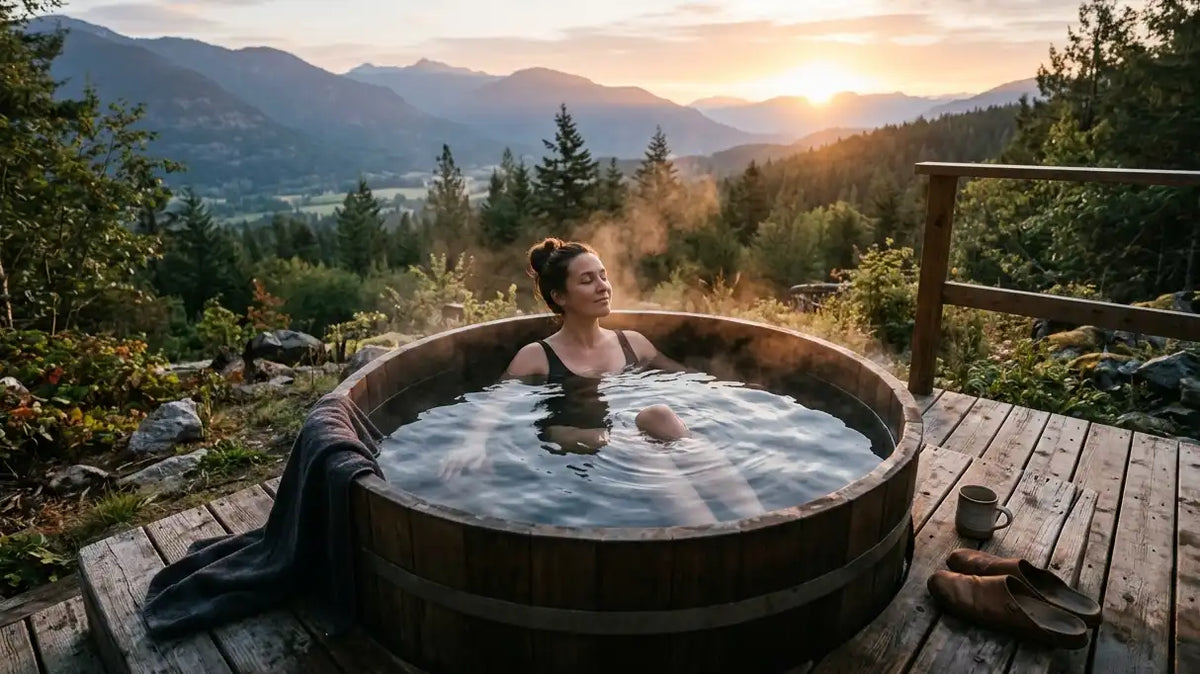
Your first cold plunge will feel like a mistake. For about ten seconds, your body will tell you to get out. Then something surprising happens. Your breathing slows down, your mind goes quiet, and you realize you can handle it. That moment is why millions of people now start their day in cold water. This guide walks you through everything: what to expect, how to prepare, how long to stay in, and how to turn one brave dip into a lasting habit. You do not need an icy lake or expensive gear to begin. You just need cold water and a plan.
What to Expect: The First Minute Is the Hardest
Let's be honest about what cold water feels like. The moment you get in, you will gasp. Your heart rate jumps, your skin stings, and your brain screams at you. This is called the cold shock response, and it is completely normal.
Here is the good news. The shock fades fast. After thirty to sixty seconds, your breathing settles and the sting turns into a dull, manageable cold. Many people describe a strange calm at this point. You are no longer thinking about your to-do list. You are just there, in the water, breathing.
After you get out, expect a warm rush and a lift in your mood that can last for hours. Some people also notice a second wave of cold about ten minutes later, as chilled blood from your limbs returns to your core. This is called afterdrop. It passes on its own, but it is why you should warm up properly after every session. And if you plunge after training, you may notice less soreness the next day. Curious about why that happens? Read more on whether an ice bath helps with soreness.
Your third plunge will feel easier than your first. Your tenth will feel almost routine. Your body adapts faster than you think.

Who Should Check With a Doctor First
Cold water is a stressor. That is exactly why it works, but it also means it is not for everyone. Talk to your doctor before you start if any of these apply to you:
- You have a heart condition, high blood pressure, or a history of stroke
- You have Raynaud's syndrome or poor circulation in your hands and feet
- You are pregnant
- You have cold urticaria (an allergic reaction to cold)
- You take medication that affects your heart rate or blood pressure
A few more rules apply to everyone. Never plunge after drinking alcohol. Never plunge alone in open water like a lake or the sea. And if your main goal is building muscle, skip the plunge for four to six hours after strength training, because the cold can blunt the signals your muscles use to grow. Plunge on rest days instead, or after cardio.
Older adults and teenagers can cold plunge, but they should start warmer, stay in for less time, and always have someone nearby.
Choosing Your Setup: You Can Start for Free
You do not need to buy anything to try cold plunging. There are three levels, and each one works.
Level 1: The cold shower. Finish your normal shower with thirty seconds of cold water. It costs nothing and it trains the same response. This is the best place to start.
Level 2: The bathtub or a simple tub. Fill your bathtub with cold tap water and add two or three bags of ice. Not sure how much ice you actually need? This guide on how much ice to use for an ice bath breaks it down by tub size and season. A basic portable ice bath tub does the same job outdoors and saves your bathroom from puddles.
Level 3: A dedicated cold plunge with a chiller. If you plunge several times a week, buying ice gets old fast. A tub paired with a water chiller holds a precise temperature all year, so the water is ready whenever you are. If you are comparing options, this roundup of the best cold plunge tubs is a useful starting point.
Is a dedicated tub worth it? Ask yourself three questions. How often will I plunge? Do I have the outdoor or garage space? Does buying ice every week cost more than I think? If you plunge three or more times a week, the math usually favors the tub. If you are still testing the habit, stick with the shower or the ice-bag method.
Whatever setup you choose, keep the water clean. Dirty water turns a healthy habit into a skin problem. Here is how to keep your cold plunge water clean with minimal effort.
A few small items make everything easier:
- A floating thermometer, so you never guess the temperature
- A timer or a phone within sight
- A non-slip mat next to the tub
- A warm hat if you plunge outdoors in winter
Before You Get In: Prepare Your Body and Your Mind
Good preparation takes five minutes and makes the plunge much easier.
Get your things ready. Lay out a towel, dry clothes, and a warm drink before you touch the water. You will not want to search for a towel while shivering.
Prepare your body. Drink some water first. Light movement helps too, so do a few squats or a short walk to get your blood flowing. Avoid plunging on a completely empty stomach or right after a heavy meal.
Prepare your mind. Picture yourself getting in before you do it. Tell yourself one simple thing: this is temporary discomfort, and I choose it. That small mental shift is the difference between panic and control.
Recommended Products


Time, Temperature, and Frequency: The Numbers That Matter
How cold and how long? Colder is not automatically better. The right numbers depend on your experience. The table below summarizes commonly recommended ranges.
| Level | Water Temperature | Time Per Session | Sessions Per Week |
|---|---|---|---|
| Beginner | 15–20 °C (59–68 °F) | 30 sec – 2 min | 2–4 |
| Intermediate | 10–15 °C (50–59 °F) | 2–3 min | 3–5 |
| Experienced | 4–10 °C (39–50 °F) | 3–5 min | Up to daily |
Ranges compiled from guidance published by Mayo Clinic Health System and WebMD. Never go below 4 °C (39 °F), and never stay in longer than 10 minutes.
Two more tips on timing. If you want energy, plunge in the morning. The alertness boost can keep some people awake if they plunge too close to bedtime. And whatever the clock says, your body has the final word. Numbers are targets, not orders.
How to Do a Cold Plunge, Step by Step
Ready? Here is the full sequence.
- Check the water temperature. Confirm it sits in your target range before you commit.
- Get in slowly, but do not stall. Step in with control. Standing next to the water for five minutes only builds dread.
- Submerge up to your neck. Full immersion gives you the strongest response. If that feels like too much today, waist-deep still counts.
- Start your timer and find your breath. Long, slow exhales. This is the whole game, and we cover it in the next section.
- Watch for warning signs. Get out immediately if you feel dizzy, feel chest pain or pressure, cannot get your breathing under control, or see your fingers or toes changing color.
- Exit slowly. Cold reduces coordination, so move carefully and hold onto something stable as you climb out.
That is it. No tricks, no special talent required. Anyone can do this, including you.
Breathing: Your Most Important Tool
Why does breathing matter so much? Because your breath is the one part of the stress response you can control directly. When you slow your exhale, you signal your nervous system that you are safe. The panic loosens its grip, and the cold becomes something you observe instead of something that controls you.

Try one of these methods:
- Box breathing. Inhale for four counts, hold for four, exhale for four, hold for four. Repeat. Simple and very effective in the water.
- Belly breathing. Breathe deep into your stomach instead of your chest. Slow and steady.
- Wim Hof breathing. Thirty deep breath cycles followed by a breath hold. Important: do this before the plunge only, never in the water, and never near water without supervision.
In the water, keep it simple. Exhale longer than you inhale. If your breathing runs away from you and will not settle, get out. There is always tomorrow.
Making It More Comfortable
Comfort is not cheating. It is how you stay consistent. A few things that help:
- Wear a wool or neoprene hat outdoors. You lose a lot of heat through your head, and keeping it warm makes the plunge far more bearable.
- Play music or a podcast. Giving your mind something to hold onto shortens the perceived time.
- Plunge with a friend. It is safer, and a bit of shared misery turns into shared laughter fast.
- Work down gradually. Start at 20 °C this month, 15 °C next month. There is no prize for suffering early.
After the Plunge: Warm Up the Right Way
What you do after the water matters as much as what you do in it.
Dry off right away and change into warm, dry clothes. Then let your body reheat naturally. A short walk, some light stretching, or a few air squats work well. Shivering is fine; it is your body generating its own heat, and that gentle rewarming is part of the benefit.
One thing to avoid: do not jump straight into a hot shower or sauna. The sudden swing from very cold to very hot is hard on your circulation. If you love pairing cold with heat, do it deliberately and in the right order. This guide on sauna or cold plunge first explains how to sequence the two safely.
Turning One Plunge Into a Habit
One cold plunge feels great. A hundred cold plunges change how you handle stress everywhere in your life. The gap between the two is consistency, and consistency comes from structure, not willpower.
Anchor your plunge to something you already do. Right before your morning coffee. Right after your workout. Same time, same trigger, every time. Habits stick when they have a fixed home in your day.
Here is a simple four-week ramp for beginners:
- Week 1: Cold showers only. 30 to 60 seconds at the end of each shower, 3 times.
- Week 2: First full plunges at 18–20 °C. One minute, 2 to 3 sessions.
- Week 3: Drop to about 15 °C. Ninety seconds to two minutes, 3 sessions.
- Week 4: Hold 12–15 °C. Two to three minutes, 3 to 4 sessions.
Keep a short log. After each session, jot down one line about your sleep, mood, and energy. In a month you will see your own evidence, and nothing motivates like your own data. If you ever wonder whether the habit is doing anything at all, this piece on the real purpose of an ice bath is a good reality check on what cold water can and cannot do.
Expect plateaus. Some weeks the water feels harder for no clear reason. Sleep, stress, and even the seasons change your tolerance. Adjust the temperature or the time, but keep the appointment.
Summary
A cold plunge is simple: cold water, a few minutes, controlled breathing. Start with cold showers, move to a tub at 15–20 °C for one to two minutes, and build gradually toward colder water and longer sessions, never below 4 °C and never past 10 minutes. Prepare your towel and dry clothes before you get in, exhale slowly while you are in, and let your body rewarm naturally after you get out. Check with a doctor first if you have heart or circulation issues, and never plunge alone in open water. Two to four sessions a week, anchored to a fixed point in your day, is enough to build the habit. The cold never becomes comfortable. You just become someone who can handle it.
FAQs
How long should a beginner stay in a cold plunge?
Start with 30 seconds to 1 minute. Add time slowly over several weeks as your body adapts. Most beginners settle into 2 to 3 minutes per session. Staying past 10 minutes raises the risk of hypothermia and adds no extra benefit.
What temperature should a cold plunge be for beginners?
Aim for 15–20 °C (59–68 °F) for your first sessions. It should feel uncomfortably cold but manageable. Lower the temperature step by step over the following weeks, and never go below 4 °C (39 °F).
Can I do a cold plunge every day?
Yes, many experienced plungers do. Beginners get better results starting with 2 to 4 sessions per week, since jumping into a daily routine too early leads to burnout. If you strength train, keep daily plunges away from your lifting sessions.
Should I cold plunge before or after a workout?
After cardio or on rest days is safest for most goals. Avoid plunging within 4 to 6 hours after strength training, because the cold can interfere with muscle growth. A morning plunge on non-training days works well for energy.
How do I breathe during a cold plunge to stay calm?
Focus on long, slow exhales from the moment you enter the water. Box breathing (inhale 4, hold 4, exhale 4, hold 4) works well for most people. If your breathing will not settle within the first minute, get out and try again another day.


