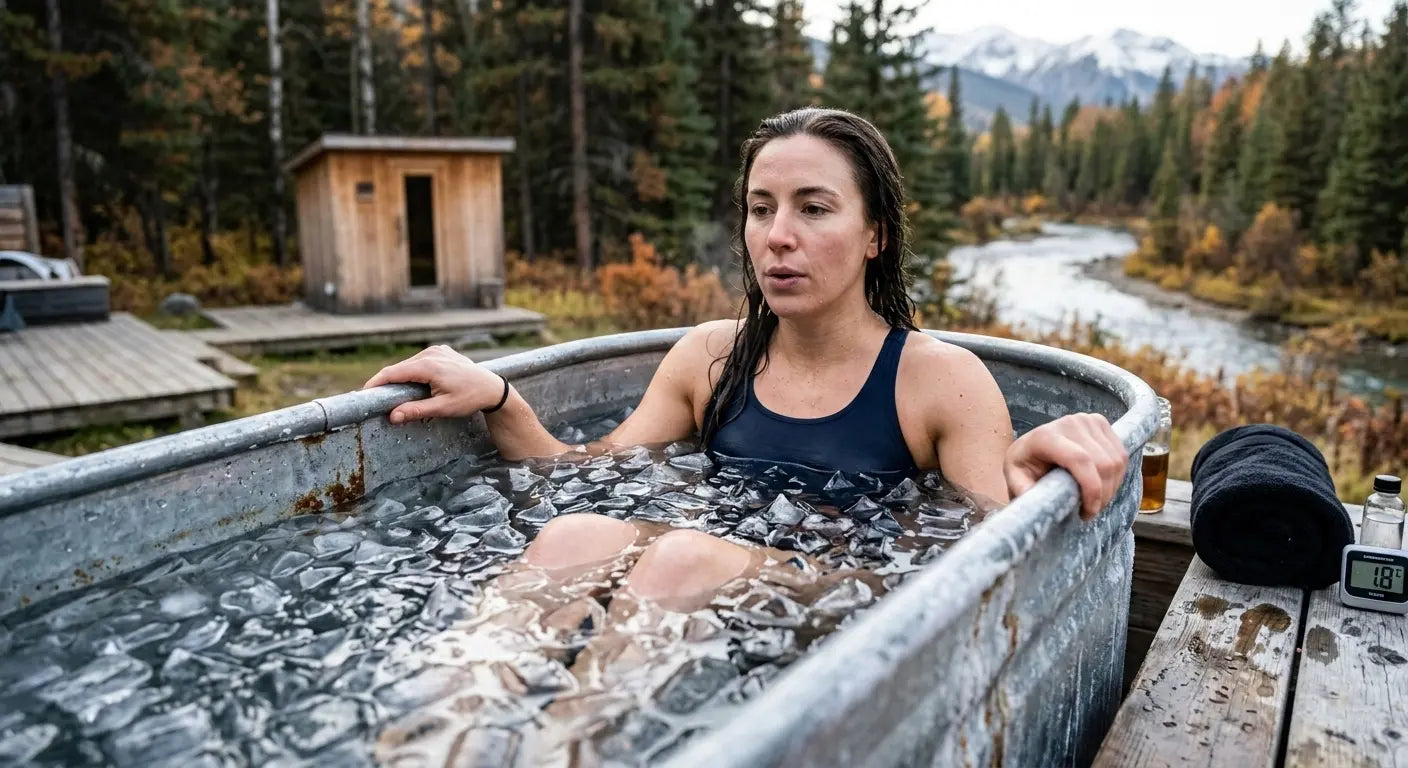
Unless you've been completely off the internet for the past few years, you've probably seen it — athletes dunking themselves into tubs of ice, wellness influencers filming their morning cold plunges, or someone at your gym talking about how a three-minute ice bath changed their life. Cold water therapy has gone from niche athletic recovery technique to full-blown mainstream obsession.

So, is there any scientific research to back-up the claims made in various media regarding the benefits of ice bath therapy? Are ice baths truly a good way to treat sports injuries (or any type of injury), or are ice baths merely the current fad of wellness that can be achieved through somewhat painful experiences? Ultimately, science does indicate that there are valid and proven benefits to ice baths but, as with any treatment or therapy, results are variable, depend on an individual's genetics and do have considerable importance based on how they are done. This article will detail the science regarding ice baths, who benefits the most from cold water immersion, who is best to avoid immersing themselves in cold water, and how to maximize the` benefit of cold water therapy if you think you will benefit from it.
Why Is Everyone Jumping Into Ice?
Wim Hof — known as "The Iceman" — has played a significant role in an increase in the popularity of using ice as a form of therapy or medicine. His stunts (like swimming under arctic ice or climbing Mt. Everest in shorts) and relatively simple methods of performing breathing exercises and exposing yourself to extreme cold have encouraged countless people to see cold exposure as an option for healing. Then came celebrity endorsements. Cristiano Ronaldo has a cryo-chamber tailored for him; LeBron James reportedly spends a small fortune on ice baths to rehabilitate himself; and Michael Phelps attributes some of his success to using cold therapies for most of his two decades as an elite athlete.
Social media has now become the driving force behind ice baths becoming a trend and a form of therapy; thanks to TikTok and Instagram, where ice baths can be filmed — including the moment of gasping when getting into the water, how icy the water is, and how great one feels after getting out of the water — and each video can garner hundreds of thousands or millions of views. Ice baths, which used to reside solely in a sports medicine clinic, are now turning up in people's backyards.
What Ice Baths Actually Do to Your Body
Less soreness, faster recovery
The original reason ice baths were introduced to professional sports is still the most scientifically supported benefit of ice baths today. After a workout, when you immerse yourself in cold water, your blood vessels constrict due to the cold temperatures, reducing blood supply to your muscles and limiting the local inflammatory response. Once you leave the cold water and start to warm up, fresh blood flows back into your muscles, removing metabolic waste products such as lactic acid, as well as providing oxygen and nutrients needed for muscle repair.
According to a 2022 review published in Sports Medicine, post-workout ice baths after intense interval training significantly reduced DOMS and improved recovery times between training sessions. This kind of recovery “edge” could significantly improve athletic performance when multiple events or training sessions occur on the same day.
A real caveat: ice baths might slow muscle growth
Here's something a lot of cold plunge enthusiasts leave out: a study from Maastricht University found that taking an ice bath after strength training significantly blunted muscle protein synthesis — the biological process that makes your muscles bigger and stronger. The cold essentially hits the "pause" button on the very adaptation you were training for.
Dr. Andrew Jagim, a sports medicine researcher at Mayo Clinic, has noted that athletes shouldn't make ice baths a daily post-workout habit throughout an entire training season. If building muscle is your primary goal, you might be working against yourself. If you still want to use ice baths while lifting, many sports scientists recommend waiting at least four hours after your strength session before getting in.

Better circulation over time
Every time you expose your body to cold, your blood vessels go through a cycle of constriction and dilation. Over time, this repeated challenge can improve vascular efficiency — essentially training your circulatory system to respond faster and more effectively to temperature changes. Think of it like cardio for your blood vessels.
In acute situations, like after an intense summer training session, cold immersion is also a medically-validated strategy for rapidly dropping core body temperature and preventing heat injury.
A possible immune boost
According to Mayo Clinic research, people who switched from warm to cool showers had 29% fewer sick days. Coldwater swimming studies found swimmers have fewer upper respiratory infections than non-swimmers. These studies are small and subject to many other lifestyle factors; therefore, they are not conclusive. While cold exposure may be beneficial to immune health, it does not provide a substitute for sleep, healthy nutrition and influenza vaccines.
Metabolic effects and fat-burning potential
One of the more fascinating findings in cold therapy research involves brown adipose tissue (BAT) — a special type of fat that actually burns calories to generate heat. Unlike white fat, which stores energy, brown fat uses energy. Cold exposure activates it.
The "Soeberg Principle" — named after researcher Dr. Susanna Soeberg — suggests that allowing your body to rewarm naturally after cold exposure (rather than jumping straight into a hot shower) maximizes this metabolic effect, as your body has to work harder to warm itself up. Some research has also shown potential for white fat to convert to beige fat (a metabolically active intermediate) with regular cold exposure, though this is still an emerging area of study.
The Mental Health Case for Ice Baths
The dopamine spike that lasts for hours
This might be the most compelling reason non-athletes are getting interested in cold plunges. Research published in peer-reviewed neuroscience literature has found that cold water immersion produces a dramatic and sustained increase in circulating dopamine — in some studies, levels rose by roughly 250% above baseline. Norepinephrine, a neurotransmitter closely tied to focus and alertness, went up even more — around 530%.
What makes this different from a morning coffee or a dopamine hit from social media is the duration. These elevated levels can persist for two to six hours after the plunge. And unlike certain substances that cause a sharp spike followed by a crash, the neurochemical response to cold exposure is relatively smooth and sustained.
Stanford neuroscientist Dr. Andrew Huberman has compared the mechanism to how SNRI antidepressants work — by increasing available norepinephrine and, to some extent, dopamine in the brain. That doesn't mean ice baths are a treatment for clinical depression, but it does suggest a genuine neurological basis for the mood lift people report.
Anxiety, mood, and the evidence on depression
A number of small studies and case reports have shown significant improvements in both mood and anxiety after engaging in cold-water immersion activities; one particular example regularly cited was of a woman suffering severe depression and anxiety, who engaged in a cold water swimming program, and was subsequently able to eliminate her prescription antidepressant medication (with the oversight of a physician) within four months after starting cold-water swimming; she had not experienced any return of her symptoms during the follow-up period.
An fMRI study also demonstrated a change in brain function in participants after exposure to cold water, producing patterns associated with increased restore, decreased anxiety, and alertness. The participants expressed feelings of being more alert, energetic, focused, and notably calmer.
While cold-water therapy should not replace traditional mental health treatment options, the current body of evidence suggests that cold-water therapy does, in fact, have merit as a complement (or adjunct) to psychotherapeutic/nursing interventions, pharmacological interventions, and/or lifestyle changes.

Training your brain to handle stress
One angle on ice baths that doesn't get enough attention is what they do for psychological resilience. Dr. Huberman has described cold exposure as a way to train the prefrontal cortex — the rational, deliberate part of your brain — to stay in control even when the rest of your body is screaming to get out of the tub.
Neuroscience research has identified a structure called the anterior mid-cingulate cortex (AMCC) as a key hub for willpower and grit. There's emerging evidence that repeatedly doing hard things you don't want to do — like sitting in cold water for several minutes — can actually stimulate growth in this region. The discipline you practice in the tub isn't just about the tub. It transfers.
Better sleep
Some research has found that full-body cold exposure is associated with increased slow-wave (deep) sleep in the first few hours of the night and fewer nighttime awakenings. The mechanism isn't fully understood, but the post-plunge drop in core body temperature — which mirrors what your body does naturally as you fall asleep — may be part of the explanation.
Recommended Products


Who Is a Good Candidate for Ice Baths?
Cold therapy isn't one-size-fits-all. Here's a look at the groups that tend to benefit most — and why.
Endurance athletes and high-volume trainers
Marathon runners, triathletes, soccer players, cyclists — anyone who puts their body through repeated high-intensity work is a strong candidate for ice bath recovery. When training load is high and the window between sessions is short, the ability to recover faster genuinely matters. It's not just about comfort; it can affect whether you train well tomorrow or show up half-broken.
Research on mixed martial arts fighters found that post-training cold immersion reduced creatine kinase levels (a marker of muscle damage) and lowered perceived fatigue scores compared to passive rest. For combat sports athletes who need to be sharp for training, sparring, and competition, that kind of measurable recovery benefit is valuable.
Physical workers and performance professionals
You don't have to be a professional athlete to put your body through it every day. Construction workers, professional dancers, firefighters, and others in physically demanding jobs can also benefit from the faster recovery ice baths provide. The Radio City Rockettes — yes, the famous dance company — reportedly use ice baths as a recovery tool during their demanding performance seasons.
People pursuing mental edge and focus
The neurochemical case for ice baths is compelling enough that plenty of people with no athletic goals whatsoever have built cold plunges into their morning routine. The sustained dopamine and norepinephrine release can set a different tone for the entire day — sharper focus, greater motivation, more stable mood. For entrepreneurs, executives, or anyone who needs to perform mentally under pressure, that's a potentially meaningful edge.
People dealing with low mood or mild anxiety
Ice baths can enhance your mood if you're an adult who has been feeling down, tired, or mildly anxious—and haven't seen a doctor about those feelings. Note that you're using ice baths as "adjuncts" to restore your mood, so they shouldn't be the only way you restore your mood! In addition, anyone with a diagnosed mental health problem should see their doctor before trying cold therapy to supplement their treatment for that problem.
People interested in metabolic health
Cold exposure may help with weight management and metabolic health in addition to a diet and exercise weights-management program by activating brown fat. Cold exposure is not a replacement for other important behaviors such as healthy eating and regular exercise but can be a positive addition if you have been successful with these other behaviors.

Ice Bath Benefits Broken Down by Group
Different people get different things from cold therapy. Here's a quick reference:
|
Who |
Key Benefit |
Watch Out For |
|
Endurance athletes |
Faster DOMS recovery, maintain training volume |
Don't use right after strength sessions |
|
Strength / hypertrophy athletes |
Reduced fatigue, training session continuity |
May suppress muscle protein synthesis |
|
Combat sports athletes |
Lower creatine kinase, reduced perceived fatigue |
Adjust depth and duration for body type |
|
High-stress knowledge workers |
Dopamine boost, sharpened focus and alertness |
Best in the morning; can disrupt sleep if done late |
|
People with low mood / mild anxiety |
Mood lift, reduced anxiety (adjunct, not treatment) |
Not a replacement for professional mental health care |
|
Weight / metabolic management |
Brown fat activation, improved metabolic rate |
Combine with exercise and diet; not a standalone fix |
|
Immune health focus |
Preliminary evidence of fewer sick days |
Evidence is limited; don't over-rely on this benefit |
Ice Baths Are Not for Everyone
Let's be direct: ice baths carry real physiological risks, and for some people, those risks outweigh the benefits. Understanding the dangers isn't about being overly cautious — it's about being smart.
The real risks
Cold shock response is the most immediate danger. The moment you hit cold water, your body triggers an involuntary reflex — your heart rate and blood pressure spike, your breathing becomes rapid and uncontrolled, and your muscles tense. In people with underlying cardiovascular conditions, this shock can trigger a cardiac event. There are documented cases of systolic blood pressure reaching 220 mmHg during cold immersion.
Hypothermia is a slower threat. Water pulls heat from the body roughly 25 times faster than air at the same temperature. If you stay in too long — or if your ability to generate and retain heat is compromised — core temperature can drop to dangerous levels.
The "after-drop" effect is often overlooked. When you get out of the cold water, your core temperature can continue to fall for several minutes as the cold blood from your extremities mixes with the warmer blood near your core. Getting straight into a hot shower too quickly can also cause dangerous cardiovascular reactions.
Who should avoid ice baths
- Heart conditions (heart disease, arrhythmia, heart failure) — being put in cold water can put tremendous stress on the heart(cardiovascular system).
- Uncontrolled high blood pressure — immersion in cold water can increase blood pressure to dangerous levels (misplaced within acceptable).
- Raynaud's Disease or peripheral circulation disorders — being put in cold water can cause tissue damage by causing blood for (vasospasm) supply to every extremity because of narrowing of the blood vessels.
- Diabetes with peripheral neuropathy; lack of feeling may prevent from realizing cold injury.
- Asthma and/or cold induced bronchospasm — being exposed to cold water can cause asthma to occur by causing inflammation and tightening the bronchial tubes.
- Hypothyroidism; the thyroid has an important role in heat production and making it difficult to warm back up to a normal temperature.
- Eating disorders/very low body fat — little insulation greatly increases hypothermia risk.
- Pregnancy — rapid change in core temperature can cause problems for the unborn child.
- Children less than 18 years of age have a greater ratio of body surface area(weight) so will lose heat quicker than an adult.
- Will generally be at greater risk due to use of beta-blockers, lithium, certain antidepressants and/or blood pressure medications; these medications can cause the body not to respond to the cold.
- Individuals with open wounds, skin infections and/or severe skin conditions will have a higher risk of worsening their current social conditions due to being immersed in cold water.
- Frail elderlies will have an increased risk because of lessened ability of cardiovascular system response and inability of thermoregulatory systems to function.
A scientific reality check
The research about ice baths is promising but not settled as some people in the wellness community might tell you. Many studies have small sample sizes, are only done over a short time frame and include only a particular group of people (e.g., elite male athletes). Therefore what benefits a professional rugby player may not provide the same benefits to a 52 year-old office worker.
Mayo Clinic's position is measured: ice baths are a seasoning, not the main course. Sleep, nutrition, and consistent training are the real foundations of recovery. Cold therapy can enhance the meal — but it can't replace it.
Are Ice Baths Right for You? A Self-Assessment
Before you fill a tub with ice, it's worth taking an honest look at where you fall on the risk-benefit spectrum. This isn't a medical evaluation — but it can help you figure out whether you're in "just try it" territory or "talk to your doctor first" territory.
Green light — you're probably a good candidate
You should be an ice bath candidate if you meet most of the following criteria:
- You are normally healthy (ages 18 to 60) without a true history of cardiovascular, metabolic or respiratory conditions.
- You are an endurance athlete, team sport player, or regularly train and need to recover from workouts.
- You want to test your focus, mood or ability to cope with stress and do not have anything that contraindicates doing so.
- You are low or moderately stressed but do not have a formal psychiatric diagnosis.
- You are trying to improve your metabolic health and wish to add cold exposure as an adjunct to your regular exercise and diet routine.
Recommended first step is to take cold showers at 15° to 20° C for 30 sec. and increase your time.
Yellow light — get clearance first
You should discuss these circumstances with your doctor before trying cold therapy but they may not preclude you from using it:
- Mild or controlled high blood pressure
- Mild respiratory allergies or asthma
- Taking blood pressure medications, antidepressants, blood thinners or other heart-related medications
- Over 65 years old with low cardiovascular reserve
- Body fat < 10% (you will lose heat faster than others)
- History of light-headedness, fainting or low blood pressure
- Recovering from surgery or an acute injury
If your doctor approves, try isolated cold therapy (putting a cold pack on a specific area or soaking your feet in cold water) before using whole body cold immersion.
Red light — ice baths are not for you right now
If any of the following apply, skip the full-body ice bath and head straight to Section 9 for alternatives:
- History of heart disease, arrhythmia, heart failure, or uncontrolled hypertension
- Raynaud's disease or peripheral vascular disorders
- Diabetes with nerve damage in the feet or hands
- Hypothyroidism or other conditions affecting heat regulation
- Active eating disorder or clinically very low body weight
- Pregnancy
- Under 18 years old
- Open wounds, active skin infections, or severe dermatological conditions

One-minute self-check
| Self-Assessment Question | Answer "Yes" | Answer "No" |
|---|---|---|
| Do you have heart disease or arrhythmia? | ❌Red Light, Consult Doctor | Continue |
| Do you have uncontrolled high blood pressure? | ❌Red Light, Consult Doctor | Continue |
| Do you have Raynaud's disease or circulation disorders? | ❌Red Light, Consult Doctor | Continue |
| Are you pregnant or recovering from surgery? | ❌Red Light, Consult Doctor | Continue |
| Are you taking cardiovascular or psychiatric medications? | ⚠️Yellow Light, Consult First | Continue |
| Do you have a history of asthma or respiratory sensitivity? | ⚠️Yellow Light, Consult First | Continue |
| Have you experienced fainting or low blood pressure in the past? | ⚠️Yellow Light, Consult First | Continue |
| Are you a healthy adult aged 18-60? | ✅Green Light, Try it | Consult First |
This checklist is a starting point, not a diagnosis. When in doubt, your doctor's opinion beats any online guide.
If Ice Baths Aren't for You, Here Are Real Alternatives
Being in the red or yellow light category doesn't mean you're locked out of the benefits of cold therapy or recovery optimization. There are several evidence-backed options that provide similar physiological rewards with a more manageable risk profile.
Cold showers — the lowest barrier entry point
A cold shower set to 15–20°C and held for 30 seconds to two minutes still triggers norepinephrine release, some degree of vascular training, and a meaningful mood effect. It's not as dramatic as full immersion, but it's not far off for many of the psychological benefits. It's also safe for most people who sit in the yellow-light category and want to dip a toe in (figuratively) before committing to full immersion.
Sauna — the thermal mirror
For people who can't tolerate cold exposure, sauna offers a surprisingly similar set of benefits through the opposite mechanism. Heat triggers the release of endorphins and heat shock proteins, promotes cardiovascular adaptation, and — according to a 20-year observational study of over 2,300 Finnish men published in JAMA Internal Medicine — frequent sauna use was associated with dramatically lower rates of all-cause mortality and cardiovascular disease. Four to seven sessions per week showed particularly strong effects.
Sauna also promotes muscle relaxation, improves circulation, and may have some benefits for growth hormone release. For people with Raynaud's, cold-triggered asthma, or other conditions that make cold exposure dangerous, regular sauna use is a well-supported alternative.
Contrast therapy — getting the best of both worlds
The use of alternating hot and cold water, e.g. a sauna for the heat followed by cold-such as shallow swimming or taking a quick cold shower before returning to a sauna-for two to three cycles (10-15 minutes per cycle), leads to an increase in the vascular pump effect due to vasoconstriction then vasodilation of blood vessels. This method improves blood circulation and promotes recovery at least to the same level of return, if not better than, complete immersion in ice water alone.
Most recommendations use the method of using heat first and cold last followed by normal body warmth (to allow for some rewarming). For many people the method of cold immersion may not be presented to the same extent as with ice-water fully immersed. But, the individual can use the method of starting out warm and then ending their cycle with a period of cold for short periods of time.
Frequently Asked Questions
How often should I do ice baths?
Most research points to around 11 minutes of total cold exposure per week as a sweet spot for health and mood benefits — that's roughly three to four sessions of two to four minutes each. Daily use throughout an entire training season isn't recommended, particularly for strength athletes.
Can I take a hot shower right after?
If metabolic activation (brown fat, calorie burning) is one of your goals, hold off on the hot shower and let your body rewarm naturally. If recovery is your primary goal and you don't care about the metabolic angle, a gradual warm-up is fine — just avoid jumping into a very hot shower immediately, which can cause cardiovascular stress during the after-drop phase.
Is cold-water swimming the same thing?
Pretty much, yes. Open-water cold swimming triggers the same physiological responses — and adds the benefits of physical exercise. The main difference is the added risks of swimming in open water (currents, distance from shore, no immediate assistance), which require appropriate safety precautions.
Do I need a lot of ice?
Not necessarily. Water in the range of 10–15°C provides most of the documented benefits. You can achieve that in many regions by simply running cold tap water without adding any ice at all, particularly in cooler months. A thermometer is more useful than a bag of ice.
What about dedicated cold plunge tanks?
Commercial cold plunge tanks (from brands like Ice Dragon, Ice Barrel, or Monk) offer precise temperature control and make the experience more convenient. They're a reasonable investment if you're committed to regular use. They are not necessary to get the benefits — a filled bathtub with cold water does the same job for the physics.


